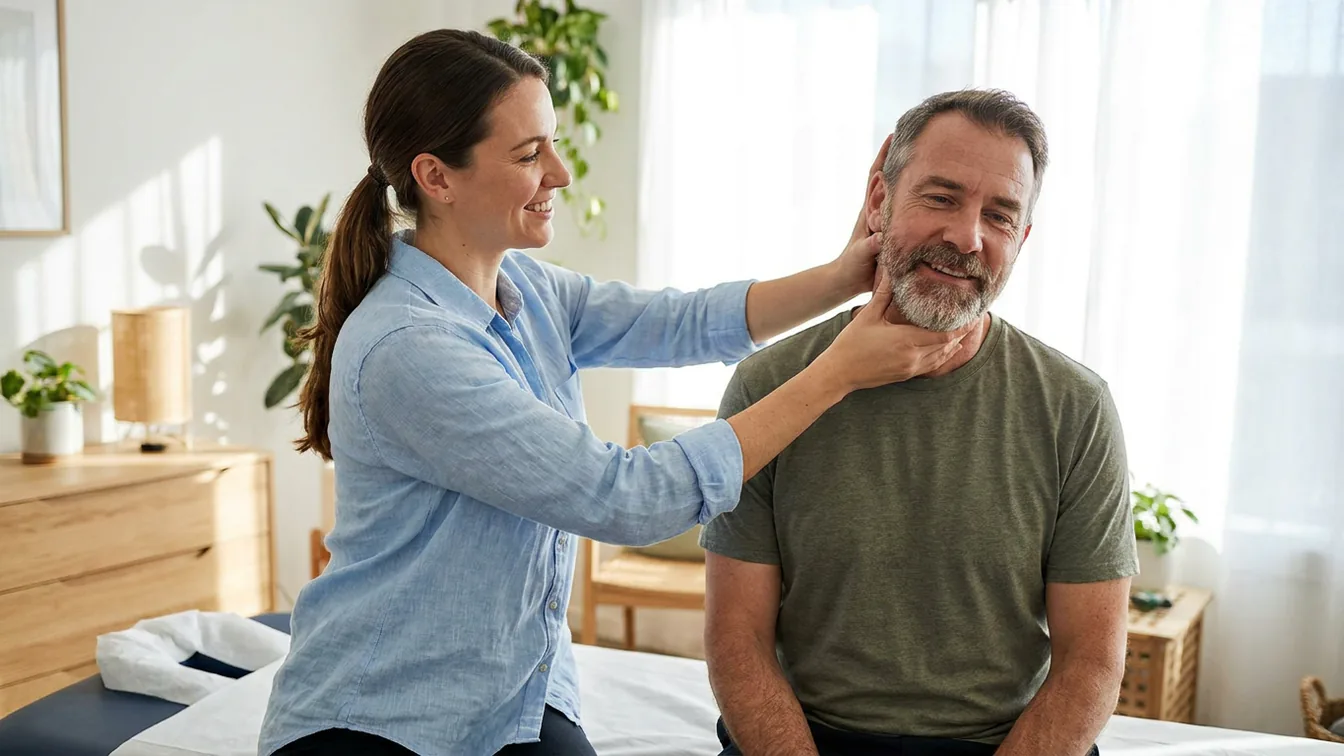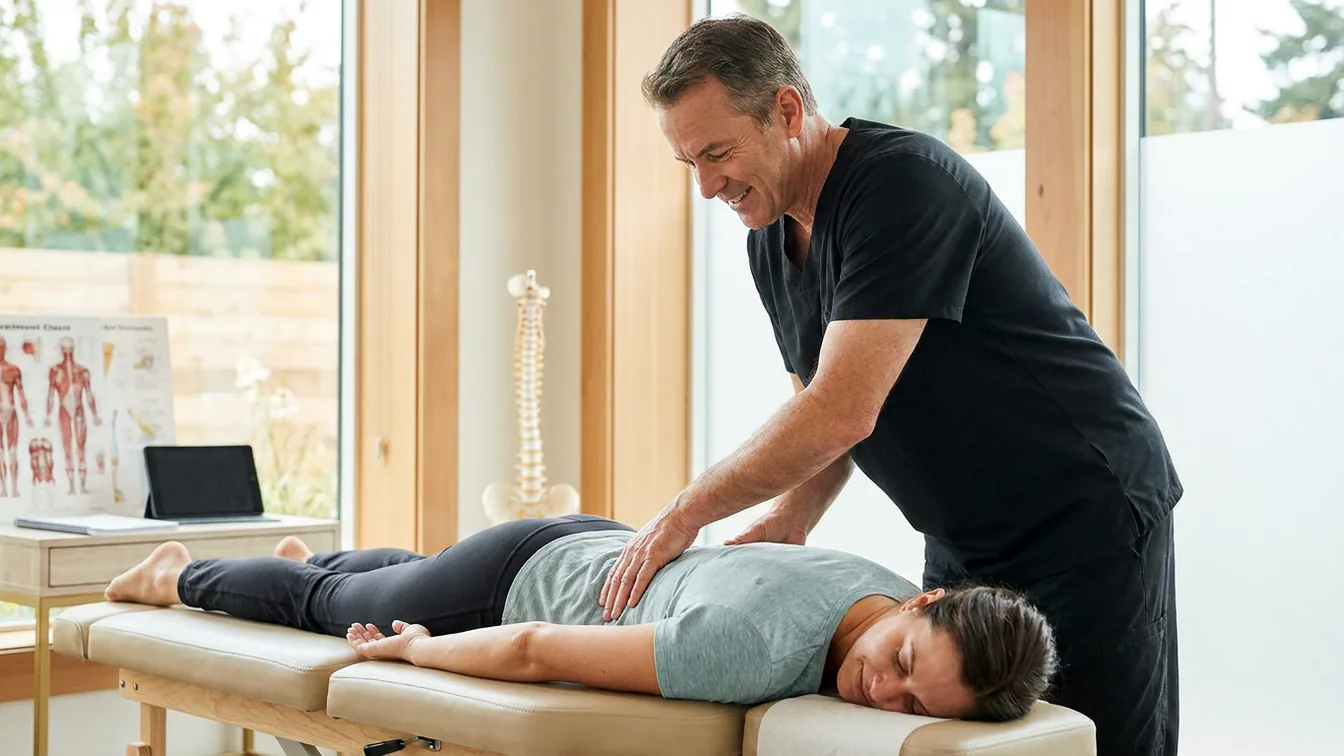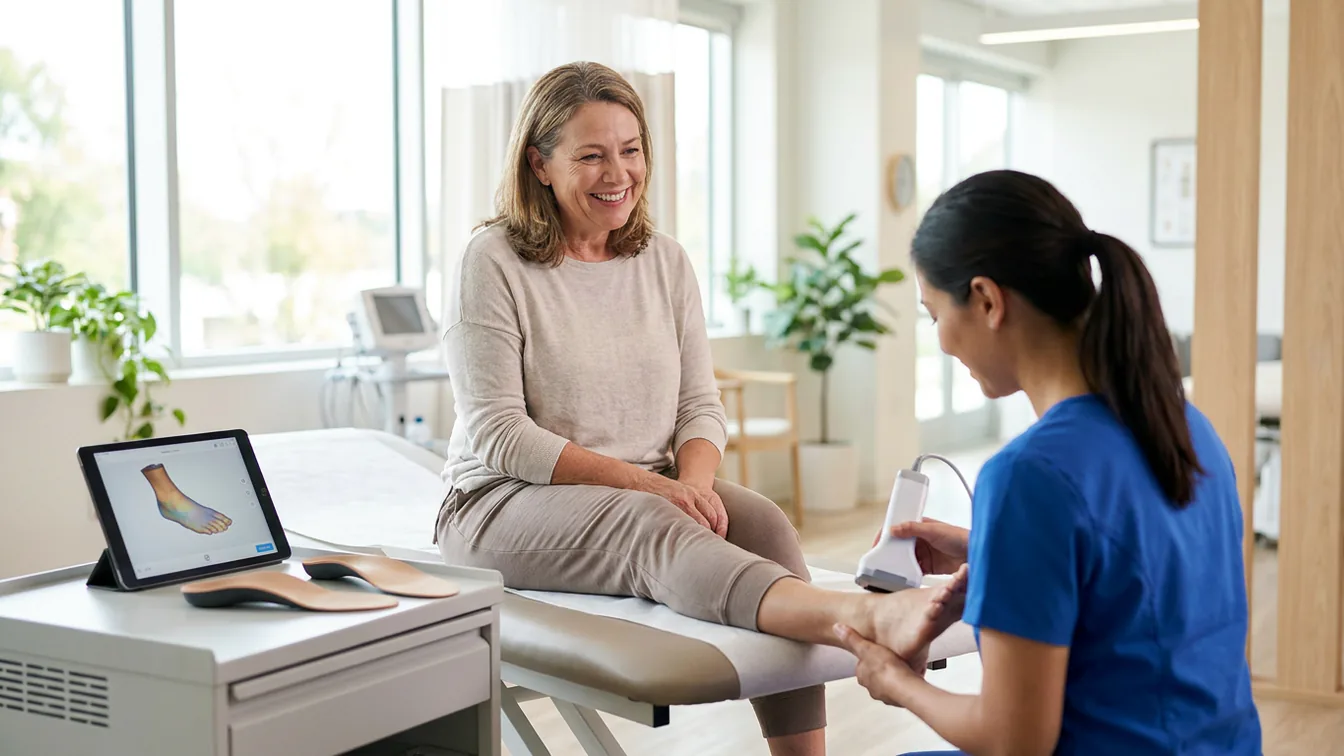
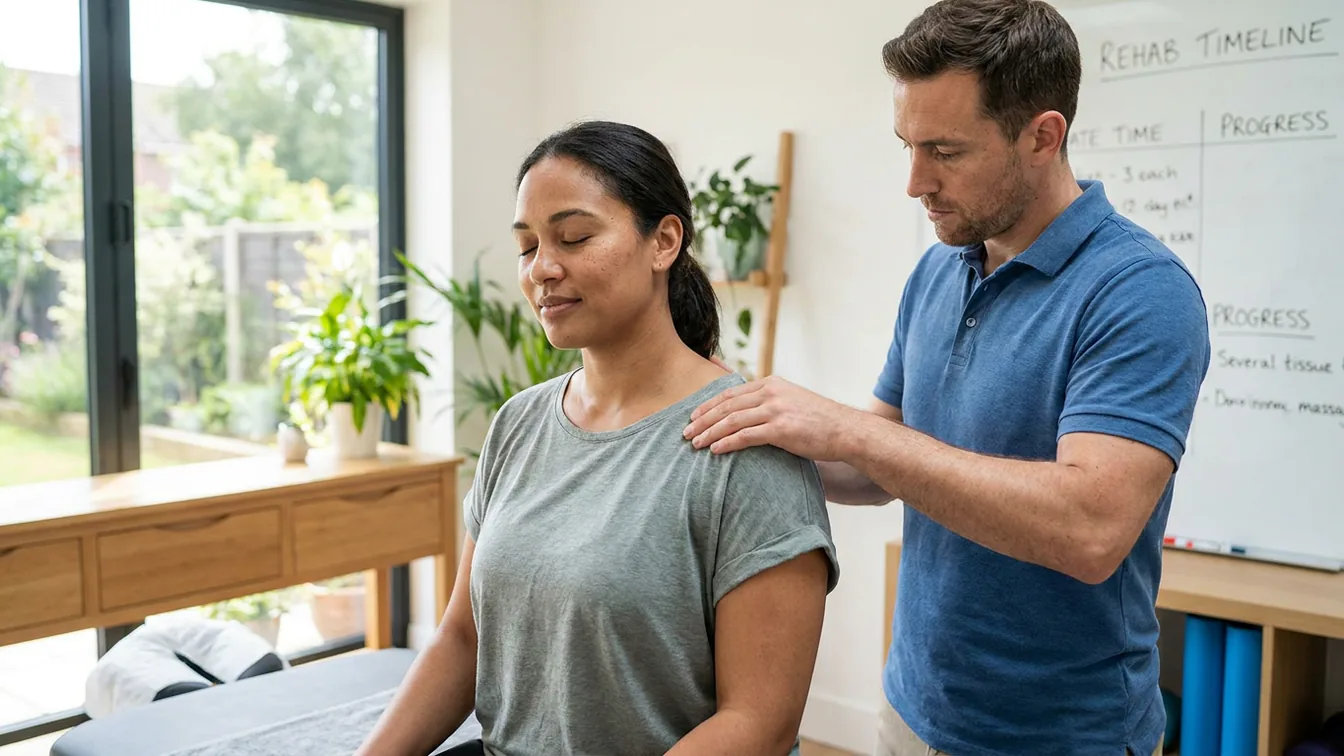
Whether you're a weekend warrior or a dedicated athlete, experiencing a sports injury can be both physically painful and emotionally frustrating. One of the most common questions patients ask when beginning their recovery journey is: "How long will it take to see results from my sports injury rehab?" While every situation is unique, understanding the typical timeline and factors that influence healing can help set realistic expectations for your recovery.
The truth is that sports injury rehab timelines vary significantly depending on numerous factors, including the type and severity of your injury, your overall health, age, and commitment to the treatment plan. However, most patients begin experiencing some level of improvement within the first few weeks of consistent care.
Understanding the Phases of Sports Injury Recovery
Sports injury rehab typically follows a predictable pattern of healing phases, each with its own timeline and characteristics. The inflammatory phase, which occurs immediately after injury, usually lasts 72 hours to one week. During this time, your body is working to protect the injured area and begin the healing process. You may experience swelling, pain, and limited mobility, which are normal responses to tissue damage.
The proliferation phase follows, lasting approximately 2-6 weeks depending on the injury severity. This is when your body begins rebuilding damaged tissues, and it's often when patients start noticing the first signs of improvement in their sports injury rehab program. Pain levels may begin decreasing, and range of motion often starts improving during this phase.
The final remodeling phase can last anywhere from 3 weeks to several months or even years for more severe injuries. During this phase, the newly formed tissue continues to strengthen and adapt to functional demands. This is typically when patients see the most significant improvements in strength, flexibility, and overall function.
For residents of Seguin dealing with sports injuries, understanding these phases helps explain why patience is crucial during the recovery process. Your body needs time to heal properly, and rushing back to activity too quickly can often lead to re-injury or prolonged recovery times.
Factors That Influence Your Recovery Timeline
Several key factors determine how quickly you'll see results from your sports injury rehab program. The type and severity of your injury play perhaps the most significant role in determining your recovery timeline. Minor soft tissue injuries like mild strains or sprains may show improvement within days to weeks, while more complex injuries involving ligaments, tendons, or bones may require months of dedicated rehabilitation.
Your age and overall health status significantly impact healing speed. Younger individuals typically heal faster due to better circulation, more efficient cellular repair mechanisms, and generally better overall health. However, this doesn't mean older adults can't achieve excellent results – it may simply take a bit longer to see the same level of improvement.
Previous injury history in the same area can affect both the severity of the current injury and the time needed for recovery. Scar tissue from previous injuries may limit blood flow and flexibility, potentially extending the rehabilitation timeline. However, proper treatment can often address these complications effectively.
Your commitment to the treatment plan is perhaps the most controllable factor affecting your results. Patients who consistently attend appointments, follow home exercise programs, and make recommended lifestyle modifications typically see faster and more complete recovery than those who are inconsistent with their care.
Nutritional status and lifestyle factors also play important roles. Proper nutrition provides the building blocks your body needs for tissue repair, while adequate sleep allows for optimal healing. Here in Seguin, many patients find that addressing these lifestyle factors alongside their formal treatment plan accelerates their recovery significantly.
Realistic Timeline Expectations for Common Sports Injuries
While individual experiences vary, certain patterns emerge when looking at recovery timelines for common sports injuries. Muscle strains, one of the most frequent sports injuries, typically begin showing improvement within the first week of appropriate care. Patients often notice reduced pain and improved mobility within 3-7 days, with continued improvement over 2-6 weeks depending on the strain's severity.
Sprains involving ligaments generally take longer to heal due to the limited blood supply to these structures. Mild ankle sprains may show significant improvement within 1-2 weeks, while more severe sprains can require 6-8 weeks or longer for complete recovery. However, pain relief and functional improvement often begin within the first few days of treatment.
Tendon injuries, such as tennis elbow or Achilles tendinitis, can be particularly challenging due to the poor blood supply to tendon tissue. Initial pain relief may occur within the first week of treatment, but complete resolution often requires 6-12 weeks or more of consistent rehabilitation. The key is recognizing that even slow, steady progress represents successful healing.
For more complex injuries involving multiple structures or requiring surgical intervention, the timeline extends considerably. However, even in these cases, patients typically begin experiencing some level of improvement within the first few weeks of starting their post-surgical rehabilitation program.
Many Seguin residents are surprised to learn that pain relief often occurs much faster than complete tissue healing. While you may feel significantly better within days or weeks, the underlying tissues may still be healing and strengthening for months afterward. This is why it's crucial to complete your full rehabilitation program even after symptoms improve.
Maximizing Your Recovery Potential
Several strategies can help optimize your sports injury rehab results and potentially accelerate your recovery timeline. Consistency with your treatment plan cannot be overstated in importance. Regular chiropractic visits, physical therapy sessions, and home exercise programs work synergistically to promote healing and prevent re-injury.
Proper rest and recovery between treatment sessions allows your body to adapt and strengthen. However, this doesn't mean complete inactivity – your healthcare provider will guide you on appropriate activity levels throughout your recovery.
Nutrition plays a crucial role in tissue repair and inflammation management. Focus on consuming adequate protein for tissue building, anti-inflammatory foods like fatty fish and colorful vegetables, and staying well-hydrated to support optimal circulation.
Stress management is often overlooked but can significantly impact healing. Chronic stress elevates cortisol levels, which can impair tissue repair and prolong inflammation. Techniques like deep breathing, meditation, or gentle yoga can support your body's natural healing processes.
Communication with your healthcare team is essential for optimizing results. Be honest about your pain levels, functional limitations, and any concerns you have about your progress. This information helps your provider adjust your treatment plan as needed to ensure optimal outcomes.
For athletes in Seguin, TX, it's important to resist the temptation to return to full activity too quickly, even when feeling better. A graduated return to sport protocol helps ensure that your tissues are truly ready for the demands of athletic activity, reducing the risk of re-injury.
When to Expect Improvements and What They Look Like
Most patients begin noticing some level of improvement within the first 1-2 weeks of starting their sports injury rehab program. Initial improvements often include reduced pain intensity, especially at rest, and decreased morning stiffness. You may also notice improved sleep quality as pain levels decrease.
By the 2-4 week mark, many patients experience improved range of motion and the ability to perform daily activities with greater ease. This is often when people start feeling optimistic about their recovery and more motivated to continue with their treatment plan.
Functional improvements typically become more apparent between 4-8 weeks, depending on the injury type and severity. This might include the ability to climb stairs without pain, return to work activities, or begin light recreational activities.
Complete recovery, including return to full sports participation, varies widely but often occurs between 6-16 weeks for common sports injuries. However, it's important to remember that feeling better doesn't always mean you're fully healed, which is why following your healthcare provider's recommendations for return to activity is crucial.
Patients often ask whether they should be concerned if their progress seems slow. It's normal for recovery to have ups and downs, and some days may feel better than others. However, the overall trend should be toward improvement over time. If you're not seeing any progress after 2-3 weeks of consistent treatment, or if your symptoms are worsening, it's important to discuss this with your healthcare provider.
If you're dealing with a sports injury here in Seguin, remember that every person's healing journey is unique. What matters most is finding the right treatment approach for your specific situation and maintaining realistic expectations about your recovery timeline. At Pecan Country Chiropractic, located at 1300 N King St, Seguin, Texas 78155, our experienced team understands the frustration of sports injuries and works closely with each patient to develop personalized treatment plans that optimize healing and get you back to the activities you love as safely and quickly as possible. Don't let a sports injury sideline you longer than necessary – reach out to discuss how we can support your recovery journey.