The connection between our physical posture and mental health runs deeper than many people realize. While anxiety and depression are complex conditions with multiple contributing factors, emerging research suggests that posture correction may offer a valuable, natural approach to supporting mental wellness alongside traditional treatments.
For residents of Seguin seeking holistic approaches to mental health, understanding this mind-body connection could open new pathways to feeling better both physically and emotionally. The way we hold our bodies doesn't just reflect our mood – it can actually influence how we feel.
The Science Behind Posture and Mental Health
Research in the field of embodied cognition reveals that our physical posture directly impacts our psychological state. When we slouch or adopt defensive postures, we're not just responding to negative emotions – we may actually be reinforcing them.
Studies have shown that people who maintain upright, open postures experience measurable improvements in mood, confidence, and stress hormone levels. Conversely, collapsed or closed postures can increase cortisol production and contribute to feelings of powerlessness and depression.
The vagus nerve, which plays a crucial role in our body's stress response, can be affected by posture. Poor posture, particularly forward head posture and rounded shoulders, can compress this vital nerve pathway, potentially disrupting the signals between our brain and body that help regulate mood and anxiety.
Additionally, posture affects breathing patterns. Slouched postures compress the diaphragm and limit lung capacity, leading to shallow breathing that can trigger anxiety responses. When Seguin residents work on correcting their posture, they often discover that deeper, more efficient breathing naturally follows, promoting a calmer mental state.
Common Postural Patterns That Impact Mental Wellness
Several postural patterns commonly seen in our modern lifestyle can contribute to or exacerbate anxiety and depression symptoms. Understanding these patterns is the first step toward correction.
Forward Head Posture occurs when the head juts forward from its natural alignment over the shoulders. This position, often caused by prolonged computer use or smartphone habits, can create tension in the neck and shoulders while restricting breathing capacity. Many Seguin professionals who spend long hours at desks struggle with this pattern.
Rounded Shoulders and Kyphosis create a closed, protective posture that can psychologically reinforce feelings of vulnerability and withdrawal. This positioning also compresses the chest cavity, limiting the space available for full, deep breaths that naturally calm the nervous system.
Anterior Pelvic Tilt affects the entire spine's alignment and can contribute to a cascade of compensatory patterns throughout the body. This misalignment can create chronic muscle tension and fatigue, which often worsen mood and energy levels.
Loss of Natural Spinal Curves reduces the spine's ability to absorb shock and maintain efficient movement patterns. This can lead to chronic pain and discomfort, which research shows has strong correlations with depression and anxiety disorders.
These postural deviations don't develop overnight, and correcting them requires patience and consistency. However, the mental health benefits of posture correction can begin to appear relatively quickly, sometimes within just a few weeks of dedicated effort.
Practical Posture Correction Techniques for Mental Wellness
Implementing effective posture correction doesn't require expensive equipment or hours of daily commitment. Here are evidence-based techniques that Seguin residents can begin using immediately:
The Wall Angels Exercise helps retrain proper shoulder and head positioning. Stand with your back against a wall, feet about six inches away from the base. Press your lower back, upper back, and head against the wall while sliding your arms up and down in a "snow angel" motion. Perform this for 2-3 minutes daily to strengthen postural muscles and improve awareness.
Diaphragmatic Breathing with Posture Awareness combines breath work with postural correction. Sit or stand tall, imagining a string pulling the crown of your head toward the ceiling. Place one hand on your chest and another on your belly. Breathe deeply so that only the lower hand moves, practicing this awareness of both breath and posture simultaneously.
The Chin Tuck Exercise specifically addresses forward head posture. Gently draw your chin back while lengthening the back of your neck, creating a subtle double-chin appearance. Hold for 5 seconds and repeat 10 times throughout the day. This simple exercise can significantly impact both neck tension and mental clarity.
Thoracic Spine Mobility Work helps counter the effects of prolonged sitting and computer work. Place a foam roller or rolled towel perpendicular to your spine at mid-back level. Lie back over it with your hands supporting your head, and gently arch backward over the roller. Move it to different levels of your mid-back, spending 30 seconds at each position.
Workspace Ergonomics plays a crucial role in maintaining corrections throughout the day. Position your computer monitor at eye level, keep your feet flat on the floor, and ensure your keyboard allows your elbows to rest at approximately 90 degrees. These adjustments support the postural improvements you're working to achieve.
Consistency matters more than perfection when implementing these techniques. Start with just one or two exercises and gradually build a routine that feels sustainable for your lifestyle here in Texas.
The Holistic Approach: Beyond Just Physical Correction
While posture correction can be a powerful tool for supporting mental wellness, it's most effective when integrated into a comprehensive approach to health. The mind-body connection works in both directions, meaning that addressing mental health directly can also improve posture, creating a positive feedback loop.
Mindfulness and Body Awareness enhance the effectiveness of any posture correction program. Regular check-ins with your body throughout the day – asking yourself how you're holding your shoulders, where your head is positioned, how you're breathing – can accelerate improvements and increase the mental health benefits.
Stress Management Techniques complement postural work by addressing some of the underlying causes of both poor posture and mental health struggles. When we're chronically stressed, we tend to adopt protective, closed postures that reinforce negative emotional states.
Regular Movement and Exercise support both postural health and mental wellness. Even gentle activities like walking, swimming, or yoga can help maintain the improvements gained through specific correction exercises while providing additional mood benefits.
Sleep Position and Quality significantly impact both posture and mental health. Poor sleep can worsen both depression and anxiety while also contributing to postural problems through muscle fatigue and reduced body awareness.
Nutrition also plays a role, as certain nutrients support both muscle function and neurotransmitter production. Magnesium, for example, is crucial for both muscle relaxation and mood regulation.
Professional Support for Lasting Change
While self-care techniques provide an excellent foundation, working with healthcare professionals can significantly enhance your results and ensure you're addressing the root causes of both postural and mental health concerns.
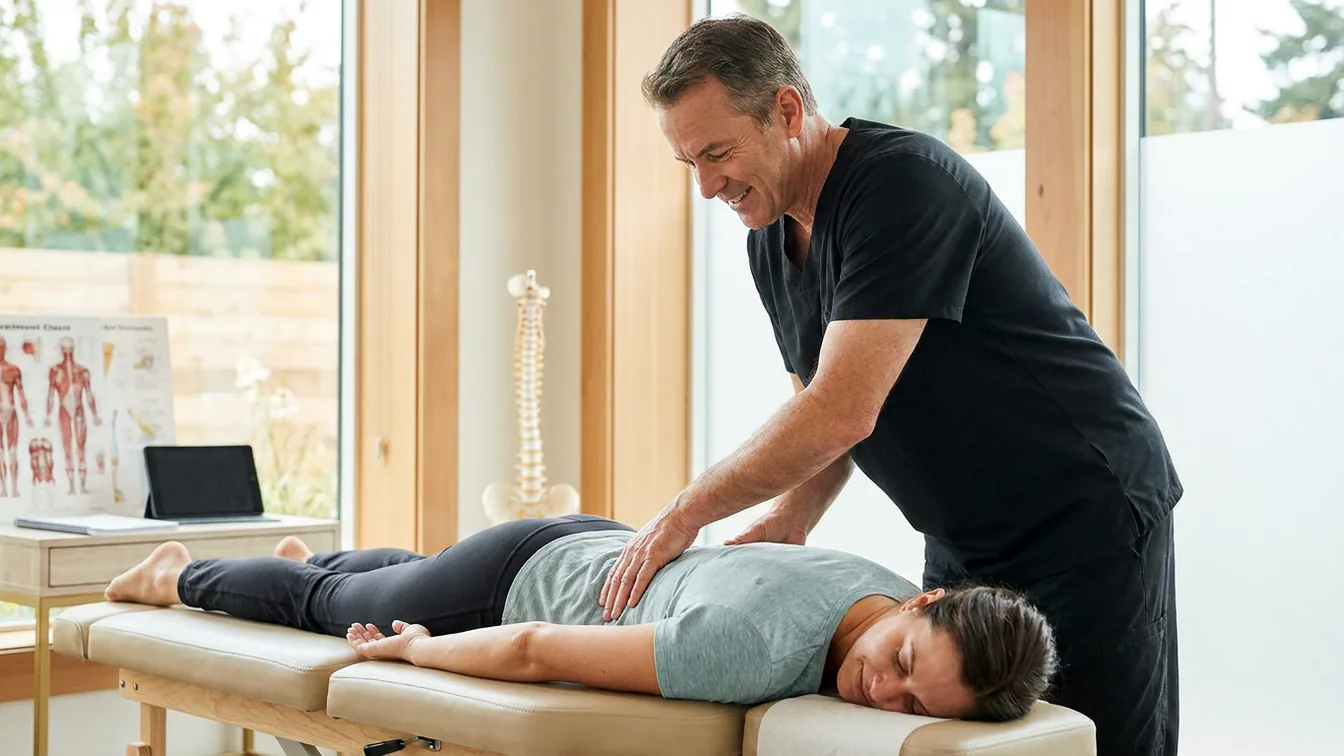
Chiropractic care offers specialized expertise in spinal alignment and postural correction. A qualified chiropractor can identify specific areas of dysfunction that may be contributing to both physical discomfort and mental health symptoms. They can also provide targeted treatments to restore proper joint function and muscle balance.
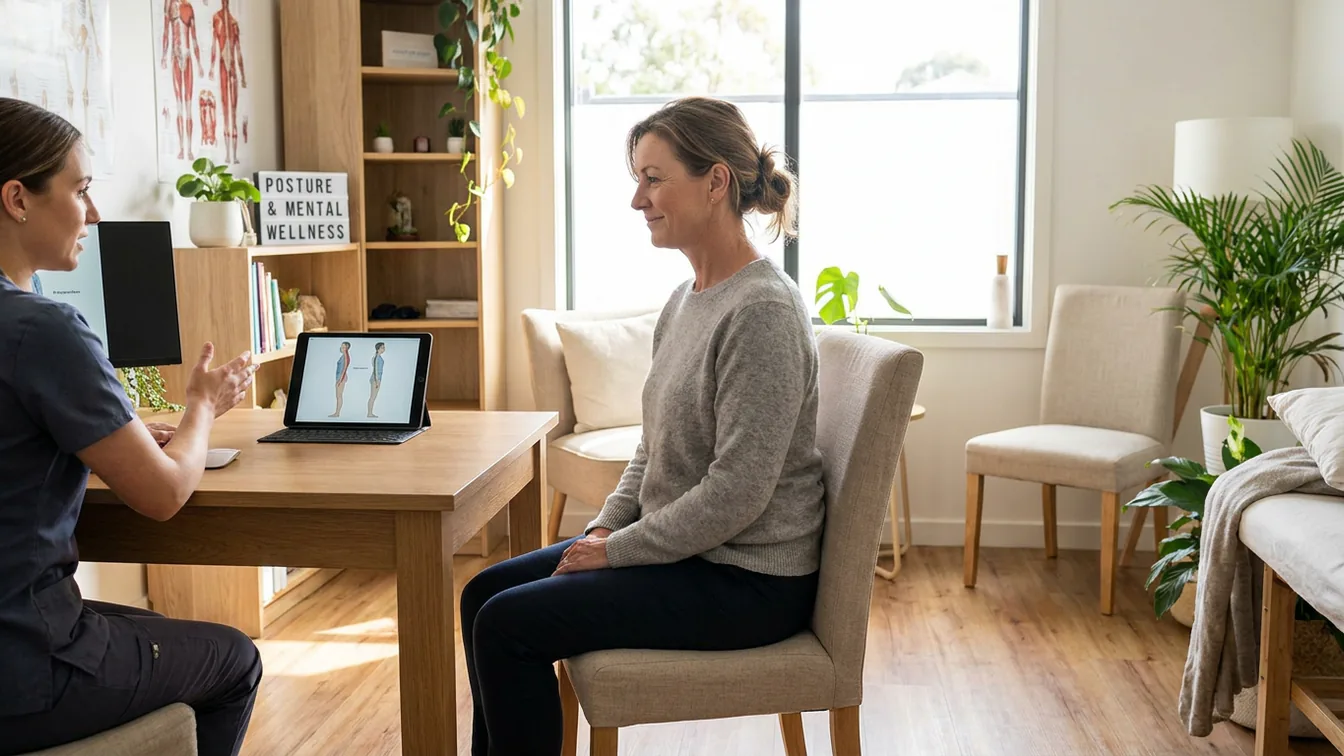
Many residents of Seguin have found that combining professional care with home exercises creates the most sustainable improvements in both posture and mood. Professional assessment can identify issues that might not be obvious to the untrained eye, while also ruling out any underlying conditions that require specific attention.
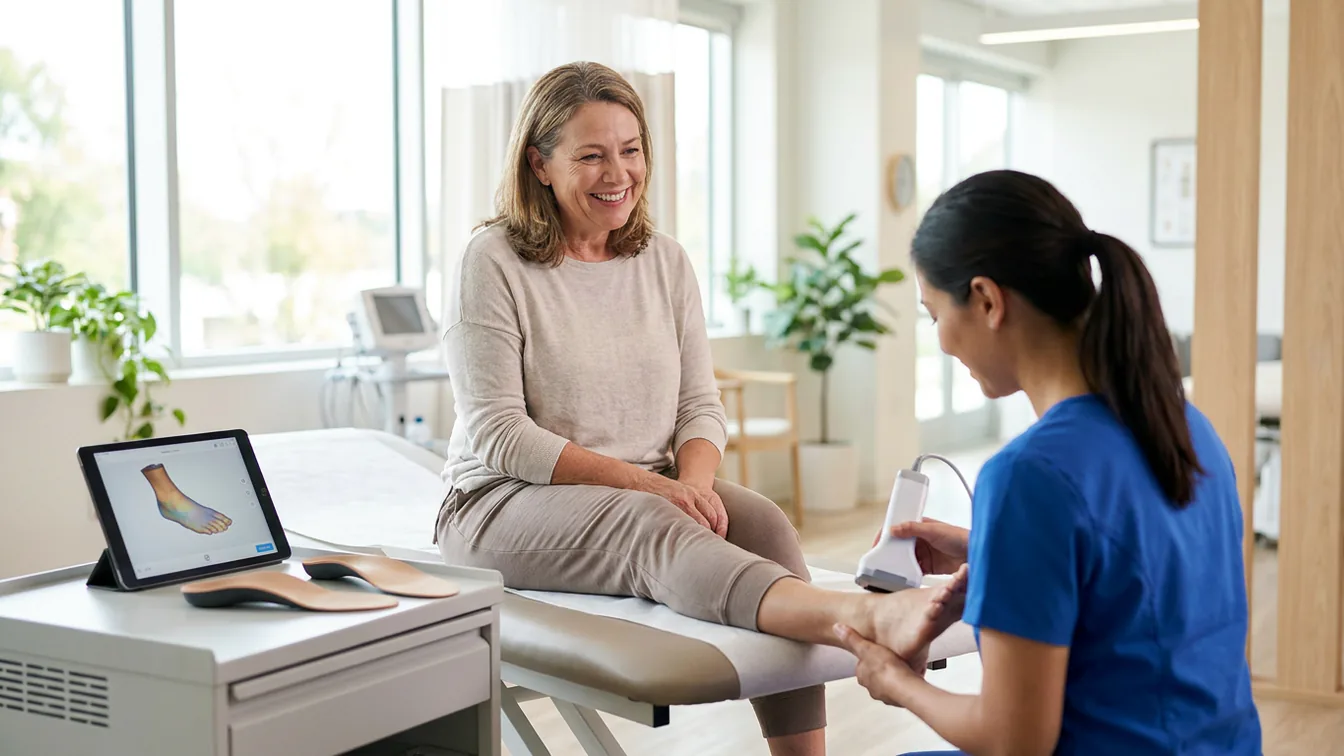
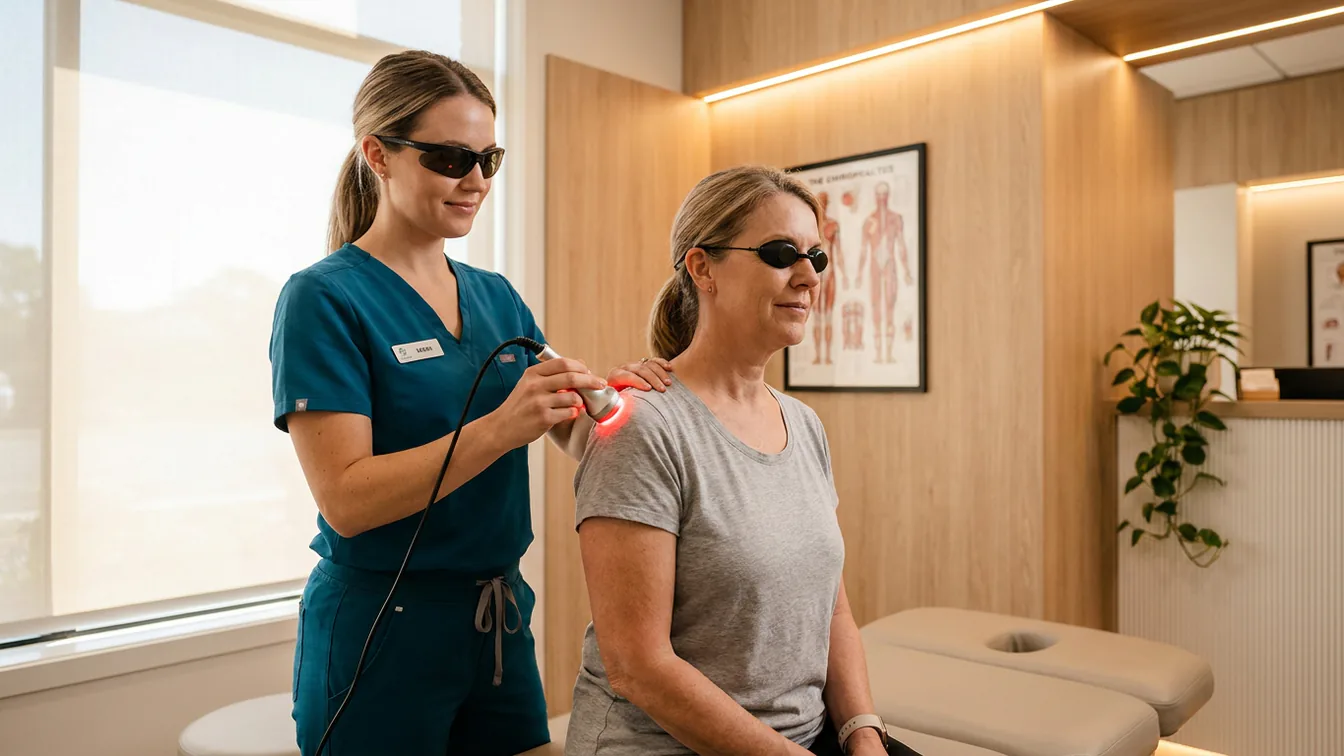
Physical therapy, massage therapy, and other complementary approaches can also support your posture correction journey. The key is finding providers who understand the connection between physical alignment and mental wellness.
If you're struggling with anxiety, depression, or chronic postural problems, remember that you don't have to navigate these challenges alone. At Pecan Country Chiropractic, located at 1300 N King St, Seguin, Texas 78155, we understand the intricate connections between spinal health, posture, and overall wellness. Our team is committed to helping Seguin residents discover natural approaches to feeling their best, both physically and mentally.
Taking the first step toward better posture and mental wellness doesn't require a major life overhaul. Start with small, consistent changes, be patient with yourself, and don't hesitate to seek professional guidance when you're ready to take your health to the next level.