Sports injuries can feel like a roadblock to the active lifestyle you love, but they don't have to define your future. Whether you're a weekend warrior hitting the tennis courts or a dedicated runner logging miles through Seguin's scenic neighborhoods, understanding your treatment options is crucial for both immediate recovery and long-term wellness.
The reality of living with sports injuries extends far beyond the initial pain or discomfort. Many athletes and active individuals find themselves caught in a cycle of temporary relief followed by recurring symptoms, often because they haven't addressed the root cause of their condition. The good news is that effective, natural treatment approaches can help you break free from this pattern and return to the activities you're passionate about.
Understanding the Complex Nature of Sports Injuries
Sports injuries rarely occur in isolation. What might appear as a simple ankle sprain or shoulder strain often involves a complex web of compensatory movements, muscle imbalances, and biomechanical dysfunction that developed over time. When living with sports injuries becomes your reality, it's essential to recognize that effective treatment must address not just the symptoms, but the underlying factors that contributed to the injury in the first place.
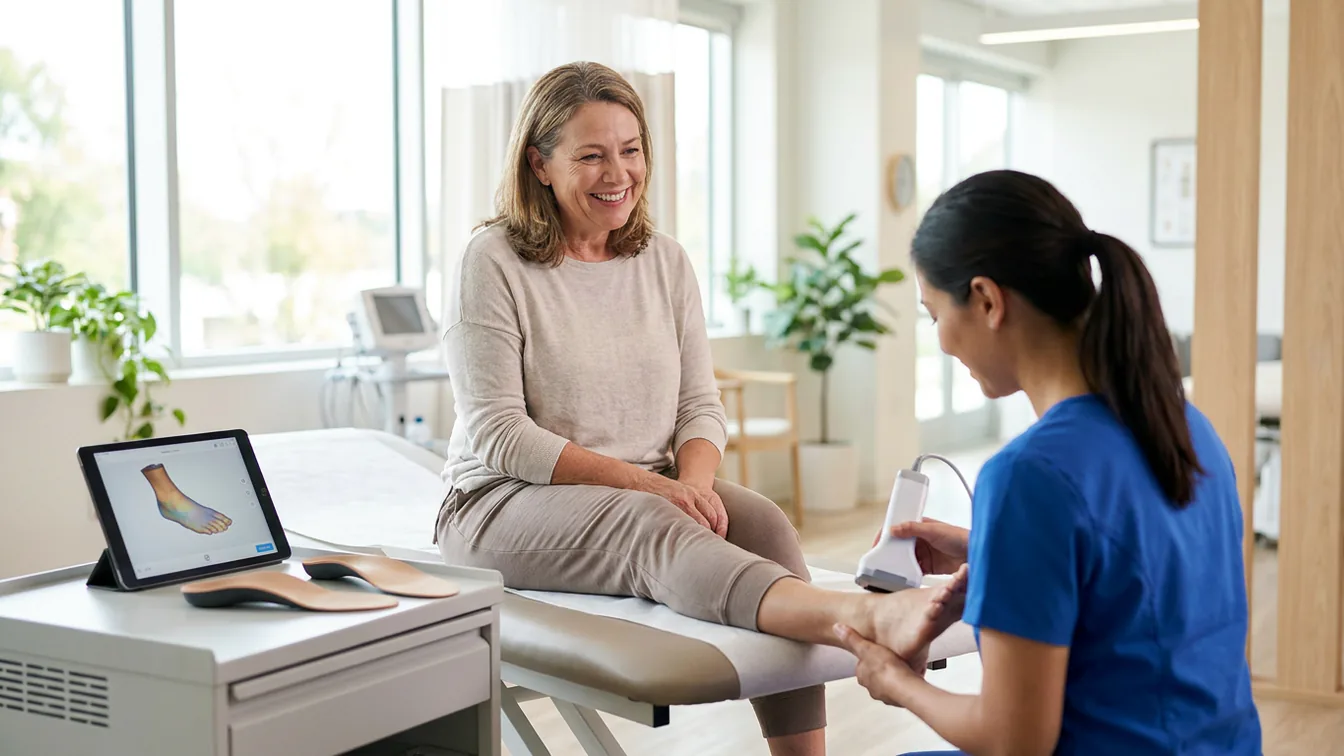
The human body is remarkably interconnected. A seemingly minor foot injury can lead to altered gait patterns that eventually cause knee, hip, or even lower back pain. Similarly, poor posture from desk work can create shoulder and neck tension that makes you more susceptible to upper body injuries during recreational activities. This interconnectedness means that successful treatment options must take a whole-body approach rather than focusing solely on the site of pain.
Many Seguin residents discover that their sports injuries are actually the result of accumulated stress and imbalance rather than a single traumatic event. Repetitive stress injuries, in particular, develop gradually as tissues become overloaded due to poor movement patterns, inadequate recovery, or underlying structural imbalances. Understanding this complexity is the first step toward choosing treatment options that provide lasting results rather than temporary symptom relief.
Comprehensive Treatment Approaches That Address Root Causes
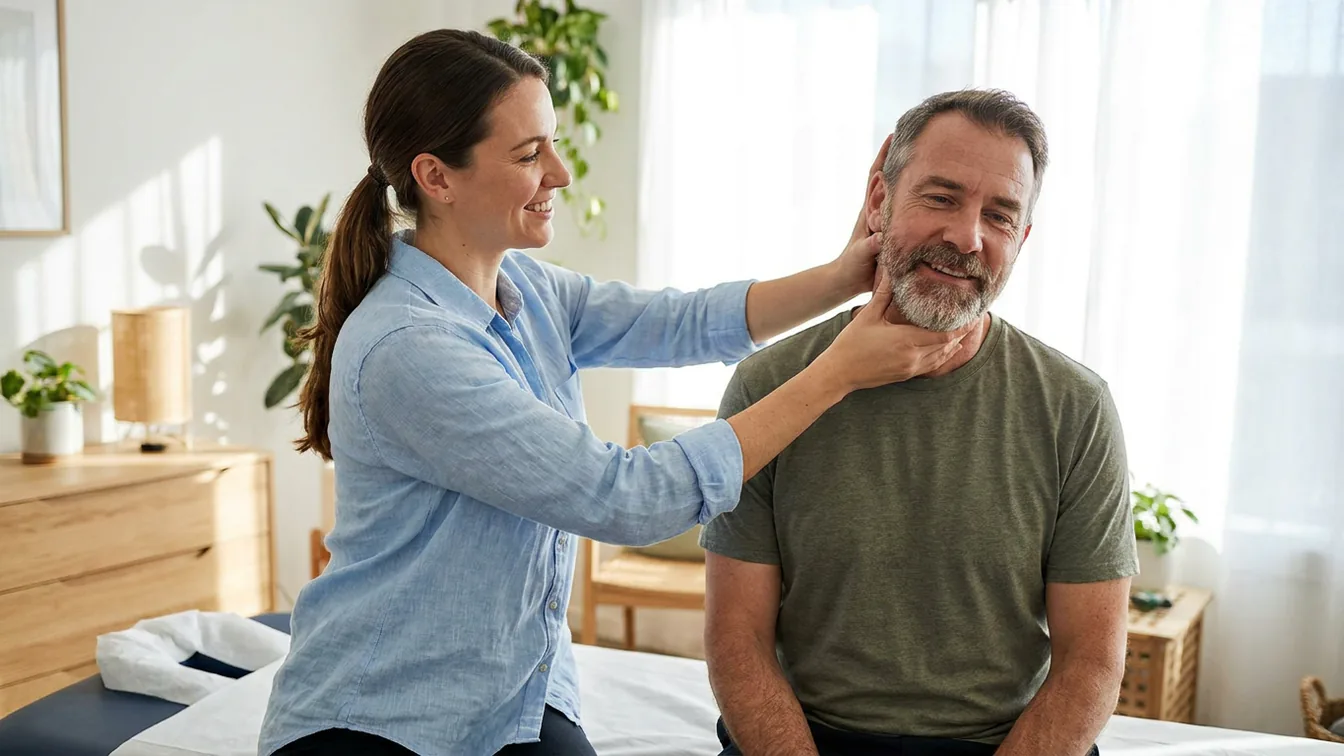
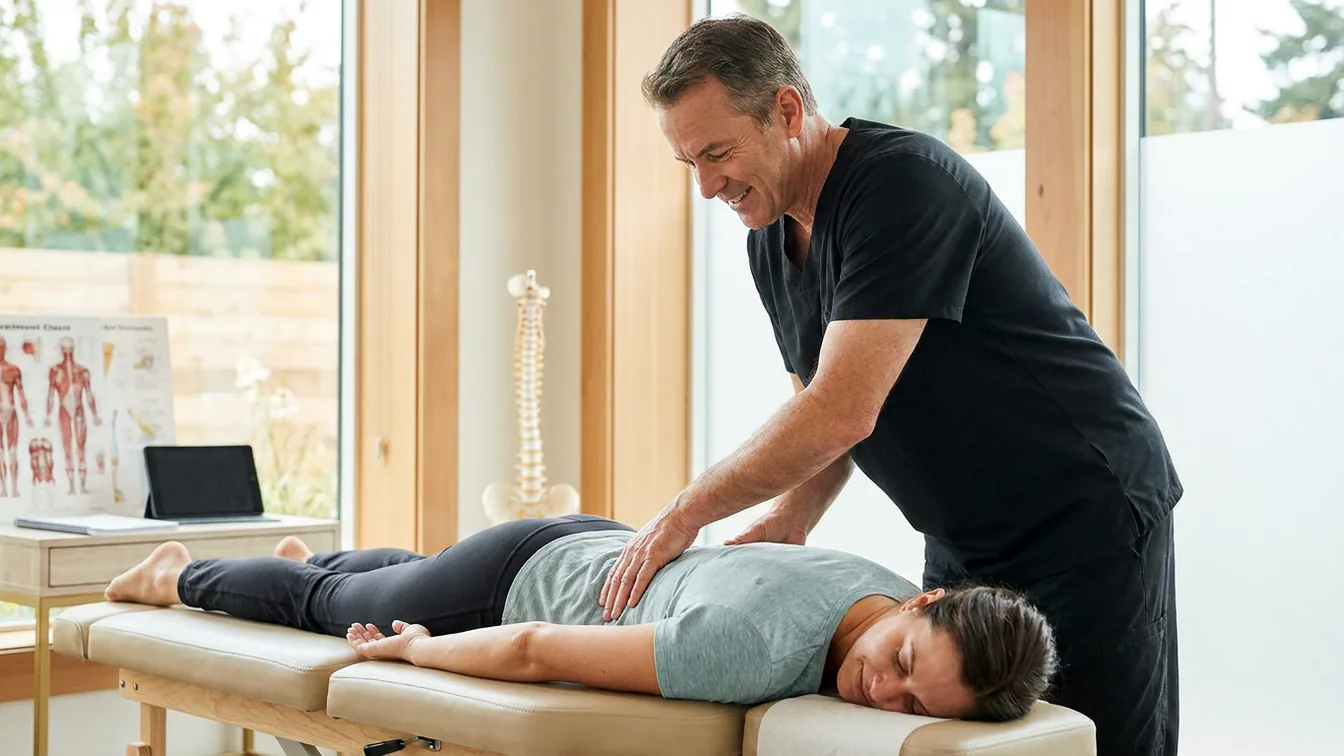
Chiropractic care stands out as one of the most effective treatment options for sports injuries because it addresses the structural and neurological components of injury and recovery. Unlike approaches that simply mask symptoms, chiropractic treatment focuses on restoring proper joint function, improving nervous system communication, and correcting the biomechanical imbalances that contribute to injury patterns.
Spinal alignment plays a crucial role in athletic performance and injury prevention. When vertebrae are misaligned, they can interfere with nerve function, reduce range of motion, and create compensatory movement patterns that increase injury risk. Through gentle, precise adjustments, chiropractors can restore proper spinal function, allowing the body's natural healing mechanisms to work more effectively.
Soft tissue therapy represents another cornerstone of comprehensive sports injury treatment. Techniques such as myofascial release, trigger point therapy, and instrument-assisted soft tissue mobilization help break down scar tissue, improve circulation, and restore normal tissue texture and function. These approaches are particularly effective for treating chronic conditions where adhesions and restricted movement patterns have developed over time.
Rehabilitative exercise and movement correction form the foundation of long-term recovery and injury prevention. Rather than simply resting until pain subsides, effective treatment options include specific exercises designed to restore strength, flexibility, and proper movement patterns. This might involve correcting muscle imbalances, improving core stability, or retraining movement patterns that contributed to the original injury.
Integrative Strategies for Optimal Recovery
Nutritional support plays a vital role in sports injury recovery, yet it's often overlooked in traditional treatment approaches. Inflammation control through dietary modifications can significantly impact both pain levels and healing time. Anti-inflammatory foods such as fatty fish, leafy greens, and colorful vegetables provide the building blocks for tissue repair while helping to manage the inflammatory response that accompanies most injuries.
Hydration and proper electrolyte balance are equally important for tissue healing and optimal muscle function. Many active individuals in Texas face additional challenges due to heat and humidity, making proper hydration even more critical for recovery. Adequate protein intake supports tissue repair, while specific nutrients like vitamin C, zinc, and omega-3 fatty acids play direct roles in the healing process.
Stress management and sleep optimization are frequently underestimated components of sports injury recovery. Chronic stress elevates cortisol levels, which can impair tissue healing and increase inflammation. Quality sleep is when the body performs most of its repair and regeneration work, making adequate rest non-negotiable for effective recovery.
Mind-body approaches such as meditation, visualization, and breathing exercises can help manage pain perception while promoting relaxation and healing. These techniques are particularly valuable for individuals dealing with chronic or recurring injuries, as they address both the physical and psychological aspects of living with sports injuries.
Preventing Future Injuries Through Lifestyle Modifications
Effective sports injury treatment extends beyond addressing current symptoms to include strategies for preventing future problems. Movement analysis and biomechanical assessment can identify subtle dysfunction patterns that increase injury risk, even when they're not currently causing symptoms. Addressing these issues proactively can prevent minor problems from developing into major injuries.
Cross-training and activity modification help reduce repetitive stress while maintaining fitness and enjoyment of physical activity. This might involve incorporating different types of exercise, adjusting training intensity, or modifying technique to reduce stress on vulnerable areas. The goal isn't to eliminate activity but to find ways to stay active while respecting your body's current limitations and healing needs.
Workplace ergonomics and daily habits significantly impact injury risk and recovery. Poor posture during work hours can undo the benefits of treatment and exercise, creating ongoing stress patterns that interfere with healing. Simple modifications to workspace setup, regular movement breaks, and postural awareness can support your recovery efforts throughout the day.
Regular maintenance care, even after symptoms resolve, helps ensure that minor problems don't develop into major injuries. This proactive approach recognizes that the demands of active living require ongoing attention to maintain optimal function and prevent injury recurrence.
Many Seguin residents have discovered that combining chiropractic care with lifestyle modifications creates a powerful foundation for long-term health and injury prevention. At Pecan Country Chiropractic, we understand that each person's journey with sports injuries is unique, requiring individualized treatment approaches that address both immediate needs and long-term goals.
Living with sports injuries doesn't mean accepting limitations or giving up activities you love. With the right combination of professional treatment and self-care strategies, you can overcome current challenges while building resilience against future problems. The key is choosing treatment options that address root causes rather than merely managing symptoms.
If you're ready to move beyond simply managing sports injuries and toward genuine healing and prevention, consider scheduling a consultation to explore how comprehensive, natural treatment approaches can support your recovery journey. Our team at 1300 N King St, Seguin, Texas 78155 is committed to helping you return to the active, pain-free lifestyle you deserve.