
Poor posture has become an epidemic in our modern world, affecting millions of people who spend hours hunched over computers, looking down at phones, or sitting in poorly designed chairs. If you've scheduled a posture correction appointment, you've already taken the most important step toward reclaiming your spinal health and overall well-being. However, knowing how to prepare for this appointment can significantly enhance your treatment outcomes and accelerate your journey to better posture.
Many Seguin residents are discovering that proper preparation not only helps their healthcare provider deliver more effective treatment but also empowers them to become active participants in their recovery process. Whether this is your first posture correction visit or you're continuing an ongoing treatment plan, understanding what to expect and how to prepare will set the foundation for lasting improvements in your spinal alignment and overall health.
Understanding Your Posture Assessment
Before diving into preparation specifics, it's essential to understand what happens during a comprehensive posture correction appointment. Your healthcare provider will conduct a thorough evaluation of your spinal alignment, muscle imbalances, and movement patterns that contribute to your postural problems.
The assessment typically begins with a detailed health history, where you'll discuss your symptoms, daily activities, work environment, and lifestyle factors that may be contributing to your posture issues. This conversation is crucial because posture problems rarely develop overnight – they're usually the result of years of accumulated habits, injuries, or environmental factors.
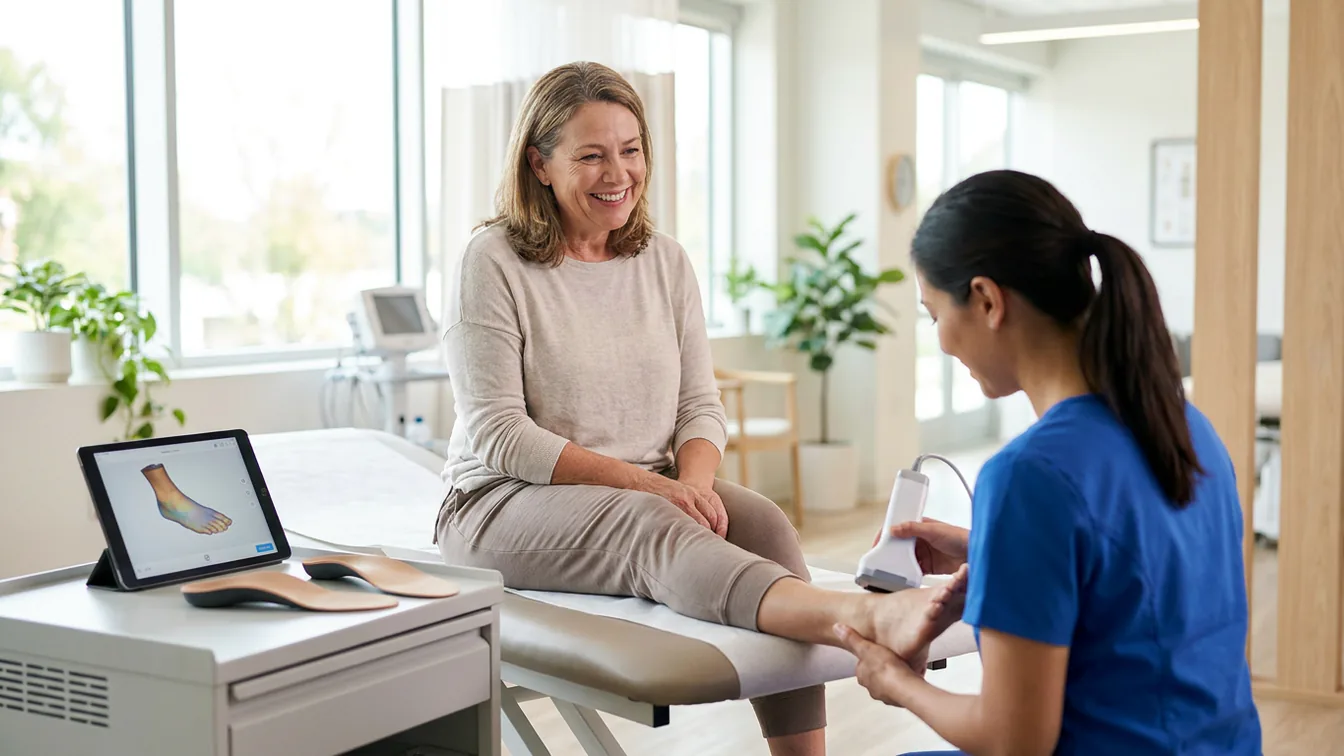
During the physical examination, your provider will observe how you stand, sit, and move naturally. They may use specialized tools to measure spinal curvatures, assess muscle strength and flexibility, and identify areas of tension or weakness. Some practitioners also utilize advanced technology like posture analysis software or digital imaging to create a comprehensive picture of your current postural status.
To prepare for your posture correction appointment effectively, start documenting your symptoms and daily activities at least a week before your visit. Keep a simple journal noting when you experience pain, stiffness, or discomfort throughout the day. Record what activities seem to worsen your symptoms and which positions or movements provide relief. This information will be invaluable to your healthcare provider in Seguin as they develop your personalized treatment plan.
Consider your work environment and daily routines carefully. Take photos of your workspace, including your desk setup, chair height, computer monitor position, and any ergonomic accessories you currently use. If you spend significant time driving, note your seat position and any discomfort you experience during or after long trips. Many Seguin residents are surprised to discover how much their work environment contributes to their postural problems.
What to Bring and Wear to Your Appointment
Proper preparation for your posture correction appointment extends to what you bring and wear on the day of your visit. Your clothing choices can significantly impact the thoroughness of your assessment and the effectiveness of any treatments you receive.
Wear comfortable, loose-fitting clothing that allows for easy movement and doesn't restrict your natural posture. Avoid tight jeans, restrictive belts, or clothing with heavy buckles or embellishments that might interfere with the examination. Women should consider wearing a sports bra rather than an underwire bra, as the latter can affect spinal alignment and make certain assessments less accurate.
Choose shoes that represent your typical daily footwear, but bring a pair of flat, flexible shoes as well. Your shoe choices can reveal important information about your gait and weight distribution patterns. High heels, worn-out shoes, or shoes with significant arch support can all influence your posture in ways that your provider needs to understand.
Bring a comprehensive list of all medications, supplements, and vitamins you're currently taking, including dosages and frequency. Some medications can affect muscle tension, balance, or pain perception, which are all relevant to posture correction treatment. Don't forget to include over-the-counter pain relievers, sleep aids, or any herbal supplements you use regularly.
If you have previous X-rays, MRI results, or reports from other healthcare providers related to your spine or posture concerns, bring copies of these documents. This historical information can provide valuable insights into the progression of your condition and help your current provider avoid duplicating unnecessary tests.
Create a list of specific questions you want to ask during your appointment. Write them down beforehand because it's easy to forget important concerns once you're in the treatment room. Consider questions about treatment timeline, expected outcomes, home exercises, lifestyle modifications, and any restrictions on your activities.
Lifestyle Preparation and Mindset
Preparing for your posture correction appointment isn't just about what happens on the day of your visit – it's also about preparing your lifestyle and mindset for the changes ahead. Successful posture correction requires commitment and consistency, both during treatment sessions and in your daily life.
In the days leading up to your appointment, pay close attention to your daily habits and posture patterns. Notice how you sit at your desk, how you hold your phone, how you sleep, and how you carry bags or backpacks. Awareness is the first step toward change, and developing this consciousness before your appointment will help you have more meaningful discussions with your provider.
Consider starting a gentle stretching routine if you don't already have one, but avoid trying new exercises or treatments that might aggravate your condition right before your appointment. Your healthcare provider needs to assess your current state, not a temporarily improved or worsened condition due to recent activities.
Many people in Seguin and throughout Texas find it helpful to set realistic expectations for their posture correction journey. Understand that significant postural changes take time, typically weeks or months depending on the severity of your condition and how long the problems have been developing. Come to your appointment with an open mind and willingness to make necessary lifestyle changes.
Prepare mentally for the possibility that some aspects of your treatment plan might challenge your current routines. You may need to adjust your workspace, change sleeping positions, or incorporate new exercises into your daily schedule. Having a positive, proactive mindset will significantly impact your success.
Maximizing Your Treatment Outcomes
The preparation phase is also an excellent time to consider how you can support your posture correction treatment at home. Your appointment will likely include recommendations for exercises, ergonomic improvements, and lifestyle modifications that extend far beyond the treatment room.
Start thinking about your home and work environments and how they might need to change to support better posture. This might involve investing in ergonomic furniture, adjusting your computer setup, or creating reminders to take movement breaks throughout the day. Having a plan for implementing these changes will help you act quickly on your provider's recommendations.
Consider your support system as well. Family members and coworkers can play important roles in helping you maintain good posture habits. Think about how you might communicate your needs to others and ask for their support in making necessary changes.
Nutrition and hydration also play roles in muscle function and recovery. In the days before your appointment, focus on staying well-hydrated and eating a balanced diet rich in anti-inflammatory foods. Avoid excessive alcohol consumption, which can affect muscle tension and sleep quality.
Get adequate sleep in the nights leading up to your appointment, as fatigue can affect your posture and your body's ability to respond to treatment. If possible, try to schedule your appointment at a time when you're typically most alert and comfortable.
Finally, arrive at your appointment a few minutes early to allow yourself time to relax and mentally prepare. Being rushed or stressed can affect your muscle tension and make the assessment less accurate.
Taking the time to properly prepare for your posture correction appointment demonstrates your commitment to improving your health and gives you the best chance of achieving lasting results. If you're ready to take control of your posture and overall spinal health, the experienced team at Pecan Country Chiropractic is here to help. Located at 1300 N King St, Seguin, Texas 78155, our clinic provides comprehensive posture correction services tailored to the unique needs of each patient. Contact us today to schedule your appointment and begin your journey toward better posture, reduced pain, and improved quality of life.